Types of Liquids Handled
1. Non-Viscous Liquids
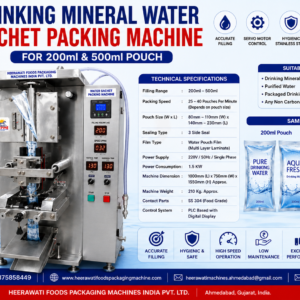
Non-viscous liquids are thin and free-flowing fluids, such as:
-
Water
-
Juices
-
Syrups
-
Sanitizers
-
Light oils
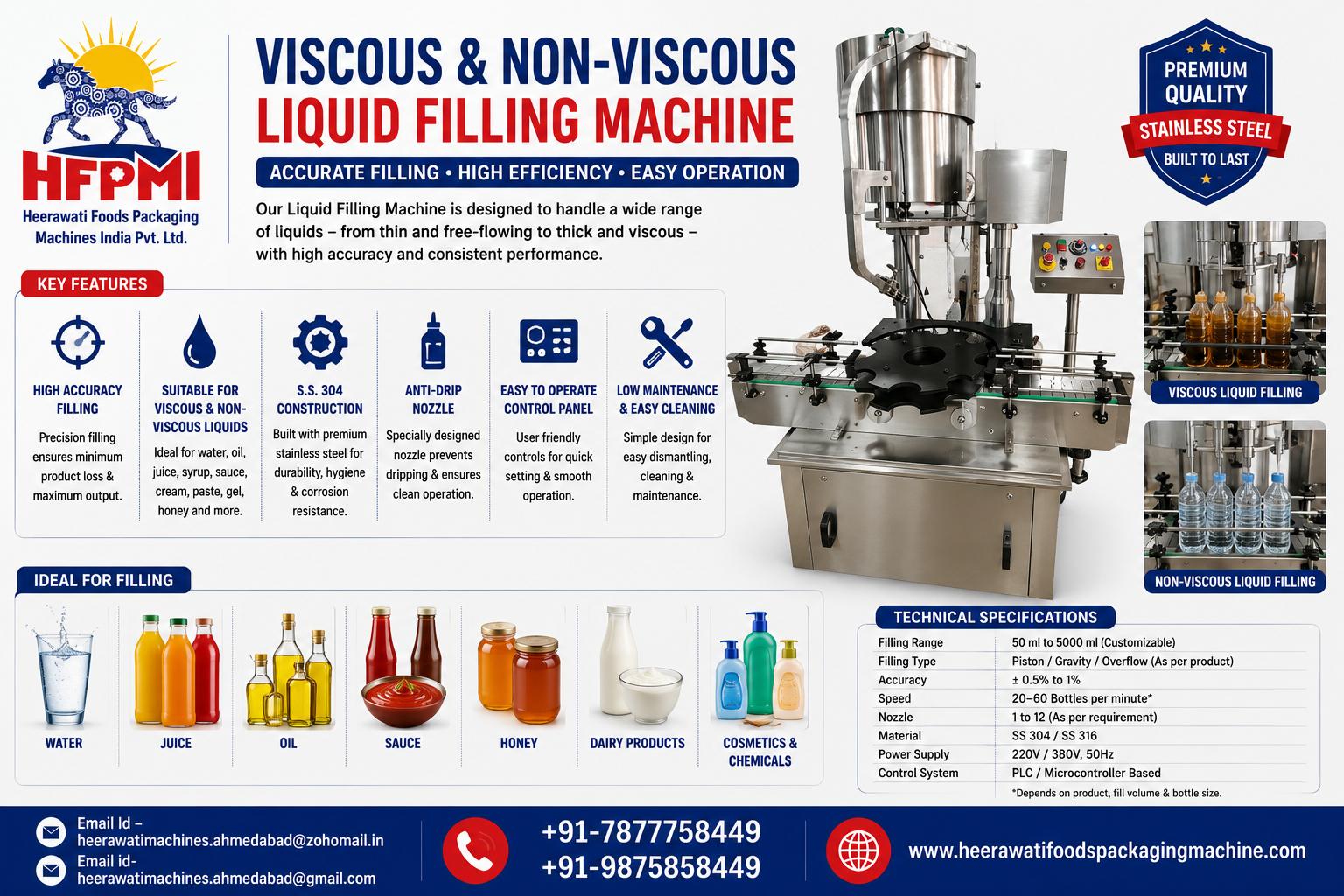
Machines for non-viscous liquids typically use gravity or vacuum filling systems, allowing smooth liquid flow into containers with minimal resistance.
2. Viscous Liquids
Viscous liquids are thicker substances, including:
-
Oils
-
Honey
-
Sauces and ketchup
-
Pastes
-
Creams and gels
To handle these products, filling machines use piston, pump, or servo-driven systems that push the product into containers consistently while preventing dripping.
Applications Across Industries
Food & Beverage
-
Edible oils, sauces, ketchup, honey
-
Juices, beverages, and water
Pharmaceuticals & Cosmetics
-
Syrups, tonics, and sanitizers
-
Creams, lotions, gels
-
Shampoos and conditioners
Chemical & Specialty Products
-
Cleaning fluids and detergents
-
Industrial, chemical, and automotive liquids
Automation improves production speed, accuracy, hygiene, and reduces product waste compared to manual filling.
Choosing the Right Filling Machine
When selecting a filling machine, the following factors should be considered:
-
Product viscosity (thin or thick)
-
Required filling speed and accuracy
-
Container type (bottles, jars, tubes)
-
Level of automation (semi-automatic or fully automatic)
-
Sanitation requirements and cleaning capability
For viscous products such as honey or ketchup, piston or positive displacement systems are essential. For non-viscous liquids such as water or juice, gravity or vacuum filling systems are generally more cost-effective.
Summary
Viscous and non-viscous liquid filling machines provide tailored solutions by matching filling technology with product flow characteristics. Heerawati Foods Packaging Machines India Pvt. Ltd. has been established to participate in India’s growing packaging machinery sector and may offer filling systems for a wide range of liquid products as its portfolio develops.